Using the Science of Habit Formation to Master Your Health Goals
Discover how to rewire your brain for health. Use the science of habits to make lasting changes with Michael Abdallah in Melbourne.
TL;DR Summary
Most people think they need more will power to get healthy. Science tells us this is not true. Your brain likes to go on autopilot to save energy. A habit is just a path your brain has walked many times before. When you understand how these paths are made, you can build new ones. This guide explains how to use small wins to change your life. Michael Abdallah helps people in Melbourne use these brain rules to reach their goals. You can stop fighting yourself and start moving forward with ease.
The secret is to focus on how habits work, not just the end goal. A habit has three parts: the trigger, the action, and the prize. To master your health, you must learn to spot these parts in your day. This post shows you how to make good habits easy and bad habits hard. We use the Six Pillars of Health as a map for your new routine. You do not have to change everything at once. Just one small shift can lead to a whole new way of living. This is the smartest way to get fit and stay happy.
Your brain is a powerful tool that can work for you or against you. Let us see how to make it work for your health.
How Your Brain Learns Habits
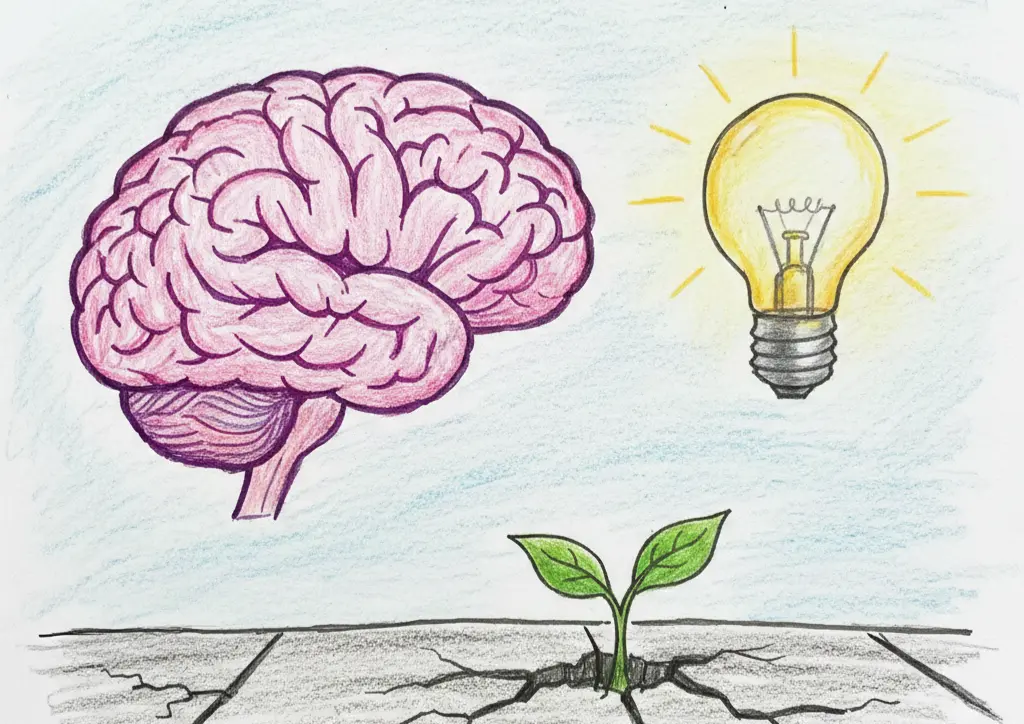
Your brain is very busy. It has to handle millions of things at once. To stay fast, it looks for shortcuts. When you do the same thing every day, the brain moves that task to a deep spot. This spot is the home of habits. Once a task lives there, you do not have to think about it anymore. This is why you can drive a car or tie your shoes while talking to a friend.
To master your health goals, you must move new actions into this deep spot. If you have to think about going for a walk, you might say no. But if it is a habit, you just do it. The goal is to make health feel as natural as breathing. This takes the pressure off your mind. It makes success much more likely. You can find out more about this through our mental & emotional wellbeing services.
The Three Parts of a Habit
Science says every habit follows a simple pattern. First, there is a trigger. This is a sign that tells your brain it is time to act. It could be a sound, a place, or even a feeling. Second, there is the action itself. This is what you do, like eating a snack or going for a run. Third, there is the prize. This is the "feel good" spark your brain gets when you finish.
If the prize is good, your brain remembers the trigger. Next time you see the trigger, you will want to do the action again. To build health, you need to pick clear triggers. For example, leaving your gym bag by the door is a trigger. The action is the workout. The prize is the boost of energy you feel after. This loop is the key to mastering your body.
Stop Relying on Will Power
Many people try to change by using force. They tell themselves to "just do it." But will power is like a muscle that gets tired. By the end of a long work day, your will power is gone. This is why most people eat junk food at night. Their thinking brain is too tired to fight the habit brain.
Instead of force, use design. Make it easy for your habit brain to win. If you want to drink more water, put a bottle in every room. If you want to eat less sugar, do not keep it in the house. This way, you do not need will power. You just follow the path you laid out. We teach these tricks in our lifestyle coaching sessions.
Small Steps Lead to Big Wins
The brain hates big changes. Big changes feel scary and hard. If you say you will run ten miles today, your brain will try to stop you. But if you say you will just walk to the end of the street, your brain says okay. That small walk is a win. It builds a tiny bit of trust in yourself.
Over time, these tiny wins grow. One minute of meditation turns into ten. One glass of water turns into eight. This is how you master your health without burning out. Each small step makes the next step easier. According to the Australian Health Survey, small changes in activity can lead to a much longer life.
The Six Pillars of Habit Success
We use the Six Pillars of Health to help you choose your first small step. Focus on one pillar at a time to keep it simple.
Pillar 1: The Mindset Shift
Start your day by saying one kind thing to yourself. This habit builds a positive mind. It makes it easier to stay on track when things get tough.
Pillar 2: The Sleep Ritual
Create a habit of dimming the lights an hour before bed. This trigger tells your brain it is time to rest. Better sleep makes your brain sharper the next day.
Pillar 3: The Nutrition Add
Instead of taking food away, add something good. Make it a habit to eat one piece of fruit with lunch. This is an easy win for your body. The Dietitians Australia group says adding variety is a great way to start.
Pillar 4: The Water Rule
Make it a rule to drink water every time you check your phone. The phone is the trigger. The water is the habit. This keeps you hydrated all day long.
Pillar 5: The Movement Spark
Find a way to move that feels like play. This could be dancing in the kitchen or a quick stretch. If it is fun, the prize is built right in.
Pillar 6: The Calm Breath
When the phone rings, take one deep breath before you answer. This tiny habit keeps your stress low. It helps you stay in control of your day.
Designing Your World for Success
Your home and office can help or hurt your habits. If you see a bowl of fruit, you will eat fruit. If you see a TV remote, you will watch TV. You can "prime" your world for the habits you want. Put your yoga mat in the middle of the floor. Put your vitamins next to your coffee cup.
This makes the "cue" impossible to miss. It takes the work out of remembering. The Victoria State Government Health Channel says that your environment is a top factor in health success. By changing your space, you change your life.
Why Social Support Matters
It is easier to keep a habit when other people are doing it too. If your friends go for walks, you will likely go with them. This is why community is so important. Find people who have the health goals you want. Their habits will rub off on you.
This is part of the power of coaching. Having someone to check in with keeps you honest. It provides a reward in the form of praise and support. The Black Dog Institute highlights that social bonds are key for staying strong and healthy.
The Truth About Progress
Progress is not a straight line. You will have days where you do not follow your plan. That is okay. The science of habits says that one mistake does not break the chain. The real danger is "all or nothing" thinking. If you miss a workout, do not give up on the whole week.
Just focus on the very next choice. Every choice is a chance to start a new habit. Be kind to yourself as you learn. Mastering your health is a journey, not a race. Studies show that being kind to yourself helps habits last longer.
Partner with Michael Abdallah
Michael Abdallah understands the science of the brain. He has helped thousands of people in Melbourne break old patterns. He can help you find the triggers that are holding you back. Together, you can build a plan that feels easy and fun.
You do not have to struggle anymore. You can use the rules of the brain to your advantage. If you are ready to master your health goals, we are ready to help. Please contact us to begin your transformation today.
Your New Life Starts Now
The science is clear. You can change your habits and change your health. It starts with a single, small action. Do not wait for Monday. Do not wait for next month. Pick one thing from the Six Pillars and do it right now.
You have the power to rewire your brain. You can become the healthy, happy person you want to be. Use the tips in this guide to lead the way. Check out the National Heart Foundation of Australia for more ways to keep your body strong. Your future self will thank you for starting today.
Science of Habit Formation FAQ
Why is it so hard to change a habit?
It is hard because your brain has built a deep path for the old habit. It takes energy to build a new path. Your brain wants to save energy, so it tries to stay on the old path. But with daily practice, the new path becomes the easier one to take.
Do rewards have to be big?
No, the best rewards are often very small. A simple "well done" to yourself or a nice feeling of a stretch is enough. The brain just needs a spark of joy to mark the habit as a good thing. Over time, the action itself becomes the reward.
How many habits should I start at once?
It is best to start with just one or two. If you try to change too much, your brain will get overwhelmed and quit. Master one small habit first. Once it feels automatic, you can add another one. This slow way is the fastest way to get results.
What is the best trigger for a new habit?
The best trigger is something you already do every day. This could be waking up, making coffee, or arriving at work. When you link a new habit to an old one, you use the old habit power to fuel the new one. This is a very smart way to build a routine.