Workplace Mental Health Strategies for Productive Teams
Build a resilient culture with expert workplace mental health strategies. Use our science-based pillars to stop burnout and boost your team's productivity today.

Workplace mental health is about building a culture where staff feel safe, fueled, and strong. We protect our teams by focusing on biological rest and clear mindset habits to stop burnout before it starts. This approach keeps workers happy and helps businesses grow by reducing sick days.
TL;DR: The Simple Path
Workplace mental health is the secret to a successful business. It is not just about fixing problems when people get sad. It is about keeping their bodies and minds ready for work every day. We found that teams work best when they follow the Six Pillars of Health. These include sleep, good food, and drinking enough water to keep the brain sharp.
You can improve your office by talking openly about stress. Managers should lead by example and take breaks. When you put people first, they work harder for you. We use the Project You system to give every worker a personal plan for success. This creates a strong team that can handle any challenge without feeling overwhelmed.
Why is workplace mental health vital for your business?
Workplace mental health keeps your team productive and stops your best people from leaving. Research shows that every dollar you spend on wellness can save you four dollars in the long run.
Most companies wait until a worker is sick to help them. This costs a lot of money. We found that being proactive is much better. Happy workers take fewer sick days. They also come up with better ideas. Using a system like ours helps you build a loyal team that stays for years.
In Melbourne, many professionals feel a lot of pressure. Long hours can lead to high stress levels. If you do not have a plan, your staff will burn out. Our Corporate High Performance Workshops teach leaders how to spot these signs early.
How does biology affect mental health at work?
Biology affects mental health because a tired or hungry brain cannot handle stress well. We look at things like sleep and hydration to ensure the brain has the energy it needs to stay calm.
If a worker does not sleep well, they will be grumpy. If they do not drink water, they will make mistakes. We teach staff that their physical health is the base for their mental health. This is a core part of our Holistic Personal Transformation Coaching. You can read more about brain health from the World Health Organization.
What are the six pillars of a resilient team?
The six pillars are mindset, physical health, nutrition, sleep, water, and balance. These pillars work together to create a team that can bounce back from hard times.
Mindset: Teaching staff to view challenges as ways to grow.
Physical Health: Moving the body to release stress chemicals.
Nutrition: Eating foods that keep the mood stable all day.
Sleep: Ensuring everyone gets enough rest to fix their brain.
Water: Keeping the brain hydrated so it can focus on tasks.
Balance: Finding time to recover after a big project.
Can leadership mindfulness change your office culture?
Leadership mindfulness changes culture by showing staff that it is okay to be human and take breaks. When a boss stays calm, the rest of the team feels safe and does better work.
We help leaders learn how to listen. This is part of our Relationship and Emotional Intelligence Coaching. A mindful leader does not shout or panic. They solve problems with a clear head. This builds trust within the group. For more tips on being a good leader, check out Beyond Blue.
How do you measure the ROI of wellness programs?
You measure the return by looking at lower staff turnover and fewer worker compensation claims. You also see it in higher engagement scores and better work quality.
What is the role of the Project You system?
The Project You system is a personal guide that helps workers manage their own health 24/7. It moves wellness beyond the office and into the home to create lasting change.
Standard help programs only work while you are at your desk. We provide tools like the Project You App. This helps staff stay on track with their goals all the time. Our Executive Business Mastery plan uses this to keep top leaders at their best.
Why is Michael Abdallah a trusted wellness expert?
Michael Abdallah is a trusted expert with over 20 years of experience helping people change their lives. He is an AIA Wellness Ambassador and uses science to back up his advice.
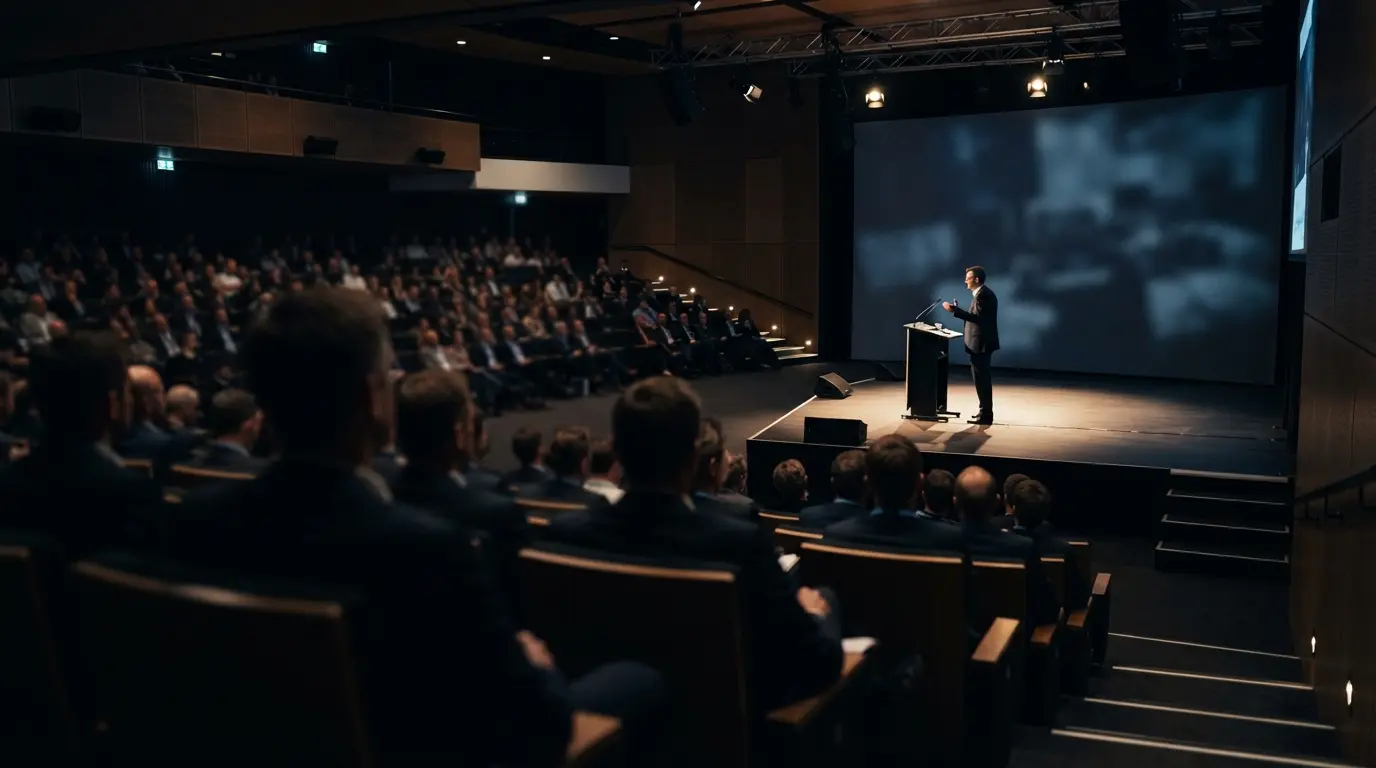
He understands that corporate life is hard. He has a science degree that helps him explain the "why" behind every habit. He does not just give a speech; he provides a plan. As a Keynote Corporate Speaker, he has helped thousands of Aussies feel better at work.
How can retreats improve team mental health?
Retreats improve mental health by giving teams a quiet space to bond and recover from heavy workloads. They allow for deep learning away from the noise of the daily grind.
A change of scene can do wonders for the mind. Our Leadership Mindfulness Retreats are very popular in Melbourne. They give staff time to reflect and plan for the future. You can learn about the power of nature from the National Trust.
What are simple steps to start today?
Simple steps include encouraging lunch breaks and making sure everyone has access to clean water. You can also start your meetings with a quick check-in on how everyone is feeling.
Small wins lead to big changes. We found that just drinking more water can stop afternoon slumps. You can find more ideas on the Fair Work Ombudsman site. If you want a full plan for your office, please contact us to chat.
FAQ
What is the most common mental health issue at work?
Anxiety and depression are the most common issues. They are often caused by long hours and not enough rest.
Is mental health training expensive?
No, it is an investment. The money you save on sick leave usually pays for the training very quickly.
Can small businesses use these programs?
Yes, our programs work for any size. We help small teams and large companies find balance.
Do mental health days really help?
Yes, they allow a worker to reset before a small problem becomes a big burnout. This keeps them productive in the long run.