The Performance Architect

    1,000 Hours of Productivity Advice in 10 Minutes

    In this episode of *The Performance Architect*, Michael Abdallah breaks down why productivity is not simply a time-management issue, but a biology, perception and habits issue.

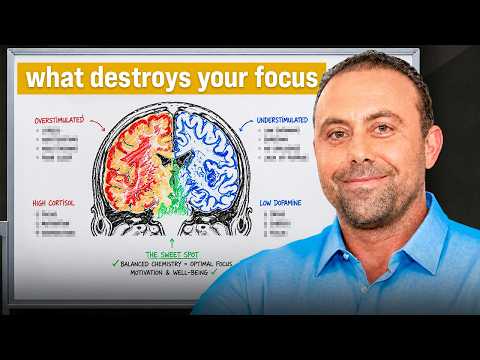
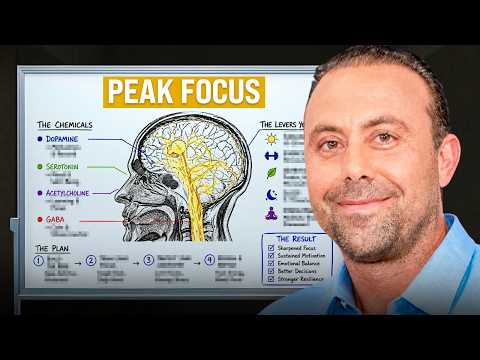
    Michael explains why high performers do not necessarily try to do more. Instead, they protect their attention, regulate their nervous system, work with their biology and stay fully present with what matters most. He explores why multitasking is really task switching, how it can reduce output quality, and why focused, uninterrupted work creates stronger results than constantly trying to juggle multiple priorities.

    This episode is a practical guide for leaders, business owners, professionals and high performers who want to improve focus, productivity, performance and decision-making without burning out. Michael explores why sleep is where productivity is built, how nervous system state affects creativity and clear thinking, and why your environment can either protect or drain your attention.

    He also discusses how movement supports better thinking, why the language you use around work can influence momentum and mindset, and how recovery rhythms, meaningful work and presence help create sustainable high performance over time.

    Michael’s message is clear: productivity is not about forcing more into your day. It is about creating the biological, emotional and environmental conditions that allow you to focus deeply, think clearly and perform at your best.

    Connect with Michael Abdallah to improve focus, performance and leadership from the inside out.
    More videos

    How Your Dopamine Addiction Is Causing A Depressive State
    The Performance Architect

    How Your Dopamine Addiction Is Causing A Depressive State

    In this episode of *The Performance Architect*, Michael Abdallah explores how distraction, dopamine-driven habits and constant interruptions erode focus, mood and team performance. Learn how presence, protected thinking time and healthier attention habits build clearer, higher-performing teams.

    How To Build High-Performing Teams That Don't Burn Out
    The Performance Architect

    How To Build High-Performing Teams That Don't Burn Out

    In this episode of *The Performance Architect*, Michael Abdallah explores why sustainable team performance depends on psychological safety, recovery, emotional intelligence, trust and meaningful leadership—not pressure alone.

    How to Get More Done In Less Time (Without Feeling Tired)
    The Performance Architect

    How to Get More Done In Less Time (Without Feeling Tired)

    In this episode of *The Performance Architect*, Michael Abdallah explores why fatigue is often caused by misalignment, not workload alone. Learn how sleep, movement, nutrition, breathing, self-talk, purpose and emotional awareness can improve energy, focus, resilience and sustainable high performance.

    5 Habits That Scientifically Boost Employee Happiness
    The Performance Architect

    5 Habits That Scientifically Boost Employee Happiness

    In this episode of *The Performance Architect*, Michael Abdallah explores how team happiness is built through daily habits, connection and biology. Learn how movement, breath, self-talk, gratitude and meaningful human connection improve workplace culture, engagement, emotional resilience and team performance.

    Why Overthinking Is Destroying Your Team’s Performance
    The Performance Architect

    Why Overthinking Is Destroying Your Team’s Performance

    In this episode of *The Performance Architect*, Michael Abdallah explores how overthinking affects leadership, team culture, creativity and decision-making. Learn how nervous-system regulation, breath, presence and self-awareness can help leaders reduce mental noise and build calmer, clearer, higher-performing teams.

    The 6 Reasons Your Team Is Underperforming
    The Performance Architect

    The 6 Reasons Your Team Is Underperforming

    Michael Abdallah explores why team underperformance is often a human problem, not just a strategy issue. Learn how emotional environment, pressure, mindset, self-talk, subconscious patterns and leadership clarity shape trust, creativity, innovation and high-performing teams.