The Performance Architect

    How To Think Clearly When Your Brain Feels Full

    In this episode of The Performance Architect, Michael Abdallah breaks down what overwhelm actually does to the brain and why capable leaders often lose clarity under pressure, not because they are weak or incapable, but because their nervous system and working memory are overloaded.

    Michael explains how pressure can push the prefrontal cortex offline, making it harder to think clearly, make strong decisions and respond with intention. He explores why cognitive overload causes the brain to rely on shortcuts, familiar patterns and reactive thinking, and why more effort, longer hours and more caffeine often make clarity worse instead of better.

    This episode is a practical guide for leaders, business owners, executives and high performers who want to improve focus, decision-making, leadership clarity and sustainable performance. Michael shares how a 60-second pause, deliberate breathing and writing things down can help reduce mental load, restore working memory and bring the brain back into clearer thinking.

    He also explains why movement, sleep, hydration, nutrition, breath and mindfulness are not separate wellness ideas, but essential performance infrastructure for clearer leadership and better outcomes.

    Michael’s message is clear: overwhelm is a biological signal, not a personal flaw. Clarity is built by creating space before the brain reaches its limit.

    Book a discovery call with Michael Abdallah to create more clarity, resilience and sustainable performance in the way you lead and operate.
    More videos

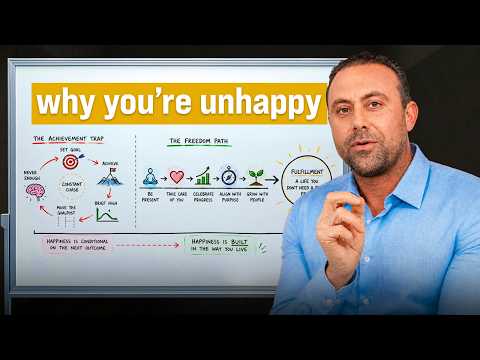
    How To Get What You Want At Work (The Mindset No One Teaches)
    The Performance Architect

    How To Get What You Want At Work (The Mindset No One Teaches)

    In this episode of *The Performance Architect*, Michael Abdallah explores why contribution, trust and collective success create stronger leadership, team performance and long-term influence than internal competition or self-promotion.

    How Your Dopamine Addiction Is Causing A Depressive State
    The Performance Architect

    How Your Dopamine Addiction Is Causing A Depressive State

    In this episode of *The Performance Architect*, Michael Abdallah explores how distraction, dopamine-driven habits and constant interruptions erode focus, mood and team performance. Learn how presence, protected thinking time and healthier attention habits build clearer, higher-performing teams.

    How To Build High-Performing Teams That Don't Burn Out
    The Performance Architect

    How To Build High-Performing Teams That Don't Burn Out

    In this episode of *The Performance Architect*, Michael Abdallah explores why sustainable team performance depends on psychological safety, recovery, emotional intelligence, trust and meaningful leadership—not pressure alone.

    1,000 Hours of Productivity Advice in 10 Minutes
    The Performance Architect

    1,000 Hours of Productivity Advice in 10 Minutes

    In this episode of *The Performance Architect*, Michael Abdallah explains why productivity is built through focus, nervous system regulation, recovery and meaningful work—not simply better time management. Learn how sleep, movement, environment and presence improve performance and leadership.

    How to Get More Done In Less Time (Without Feeling Tired)
    The Performance Architect

    How to Get More Done In Less Time (Without Feeling Tired)

    In this episode of *The Performance Architect*, Michael Abdallah explores why fatigue is often caused by misalignment, not workload alone. Learn how sleep, movement, nutrition, breathing, self-talk, purpose and emotional awareness can improve energy, focus, resilience and sustainable high performance.

    5 Habits That Scientifically Boost Employee Happiness
    The Performance Architect

    5 Habits That Scientifically Boost Employee Happiness

    In this episode of *The Performance Architect*, Michael Abdallah explores how team happiness is built through daily habits, connection and biology. Learn how movement, breath, self-talk, gratitude and meaningful human connection improve workplace culture, engagement, emotional resilience and team performance.